


With best design styles for posters at the forefront, this is the ultimate guide to crafting eye-catching, effective, and memorable designs that capture the essence of any message. By mastering the art of visual storytelling, typography, and emotional connection, you can create posters that transcend cultures and resonate with audiences worldwide. Whether you’re a seasoned designer or just starting out, this comprehensive guide will walk you through the evolution of design styles, innovative materials, and print techniques, taking you on a journey from Modern Minimalism to Art Deco Revival and beyond.
From the resurgence of Art Deco style in modern poster design to the importance of captivating typography and visual storytelling, we’ll delve into the latest trends and best practices in poster design. Whether you’re promoting a product, event, or social cause, our expert tips and case studies will help you create posters that stand out in a crowded market and leave a lasting impression on your target audience.
Evolving Aesthetics
The world of poster design has undergone a profound transformation over the centuries, from humble beginnings in ancient civilizations to the sophisticated modern posters of today. As the mediums and technologies behind poster design have evolved, so too have the aesthetic styles that define the craft. In this article, we’ll embark on a journey through the history of evolving design styles for posters, exploring their impact on the art world and the notable artists who have shaped these movements.
From Ancient Civilizations to Modern Minimalism, Best design styles for posters
The earliest forms of advertising date back to ancient civilizations, where artisans would create intricate designs and graphics to promote goods and services. The Egyptians, Greeks, and Romans all employed these early forms of advertising, laying the groundwork for the poster design traditions of the Western world. As the centuries passed, poster design evolved, reflecting the artistic and cultural movements of the time.
The modern era of poster design began to take shape in the 19th century, with the rise of commercial printing and the development of the poster as a mass medium. This led to the proliferation of various design styles, including Art Nouveau, Art Deco, and Expressionism.
The Resurgence of Art Deco
One style that has experienced a remarkable resurgence in recent years is Art Deco. Emerging in the 1920s and popularized in the 1930s, Art Deco was characterized by its luxurious, opulent aesthetic, often featuring geometric shapes, metallic materials, and exotic motifs. The style’s popularity waned in the post-war era, but in recent years, designers have reimagined and reinterpreted Art Deco principles, incorporating modern materials and techniques while maintaining the style’s essence.Notable artists and designers who have contributed to the Art Deco revival include the likes of Jean Du Cros , a French designer who worked extensively on Art Deco posters for the cinema, and Alphonse Motte , a Belgian artist who pioneered the use of metallic materials in poster design.
Aesthetic Evolution: A Comparison of Styles
Below, we’ve Artikeld a comparison of three prominent poster design styles, including Modern Minimalism, Art Deco, and Expressionism. Captivating typography is a vital element in effective poster design, as it sets the tone and communicates the message to the target audience. A well-crafted typographic system can elevate a poster from being just a visually appealing piece of art to a powerful tool that drives engagement and action.When it comes to typography in poster design, the choice of font, size, color, and spacing can convey the message and grab attention. The font style, size, and color should be carefully selected to ensure that the message is clear and concise, while also being aesthetically pleasing. For instance, using a clean and modern sans-serif font can convey a sense of professionalism and elegance, making it ideal for corporate or luxury brands. In poster design, typography plays a crucial role in capturing the audience’s attention and conveying the message. Here are some key typography elements to consider: There are many notable posters that feature innovative and engaging typography, which have contributed to their success. For example: The typography considerations for different posters can vary depending on the brand, audience, and message being conveyed. Here are some considerations: In the world of poster design, visuals play a crucial role in conveying complex ideas and emotions. A well-crafted poster can effectively communicate a message, evoke emotions, and leave a lasting impression. At its core, visual storytelling is a powerful tool that enables designers to connect with their audience on a deeper level.When it comes to visual storytelling, the role of imagery and composition cannot be overstated. When it comes to creating stunning posters, selecting the right design style can make all the difference. This, combined with a well-placed bug out gun in your survival kit – like the one found here , can help you effectively prepare for any potential emergency – is essential for making a lasting impression. With so many design styles to choose from, from minimalist to abstract, knowing what works best for your poster is crucial.
Style
History
Key Features
Influential Artists
Modern Minimalism
20th century, emphasizing simplicity and clean lines
Simple typography, minimal use of color and imagery
Paul Rand, Josef Müller-Brockmann, Dieter Rams
Art Deco
1920s-1930s, characterized by luxury and opulence
Geometric shapes, metallic materials, exotic motifs
Jean Du Cros, Alphonse Motte, Amedeo Modigliani
Expressionism
Early 20th century, focusing on emotional and psychological expression
Distorted forms, vibrant colors, abstracted imagery
Ernst Ludwig Kirchner, Ludwig Meidner, Franz Marc
Captivating Typography: Crafting Engaging Headlines and Body Text: Best Design Styles For Posters
Key Typography Elements in Poster Design
Notable Posters Featuring Innovative Typography
A good image can evoke emotions, create a sense of atmosphere, and draw the viewer’s attention to specific elements. Composition, on the other hand, refers to the arrangement of visual elements within the poster. By carefully considering the placement of images, text, and other elements, designers can create a cohesive and engaging visual narrative.Color, texture, and imagery are all essential components of visual storytelling.
Color can evoke emotions, create a sense of balance, and draw the viewer’s attention to specific areas of the poster. Texture can add depth, interest, and tactility to the design. Image selection is also critical, as it can greatly impact the mood and tone of the poster.
The Power of Notable Posters
Notable posters have successfully used these elements to convey powerful messages. The “I Want You” draft poster, designed by James Montgomery Flagg in 1917, is a prime example of effective visual storytelling. The poster features a powerful image of Uncle Sam pointing directly at the viewer, with the bold text “I Want You” emblazoned above him. The design decisions behind this poster were deliberate and effective, as they created a sense of urgency and patriotism.The use of Uncle Sam as a symbol of American nationalism was a clever move by Flagg.
The image of Uncle Sam has become synonymous with American patriotism and duty. By using this image, Flagg was able to tap into the viewer’s sense of national pride and create a sense of obligation. The bold text “I Want You” served as a clear call-to-action, directing the viewer’s attention to the importance of military service.The composition of the poster is also noteworthy.
The placement of Uncle Sam’s image and the text was carefully considered to create a sense of balance and harmony. The use of a blue background and white text helped to create a sense of clarity and legibility.In terms of color, the poster uses a range of hues to create a sense of depth and interest. The blue background adds a sense of calmness and trustworthiness, while the red text adds a sense of urgency and importance.The texture of the poster is also worth noting.
While the poster itself is a two-dimensional image, the use of Uncle Sam’s costume and the flags adds a sense of tactility and depth.
Best Practices for Visual Storytelling
When it comes to visual storytelling, there are several best practices to consider. First and foremost, designers must carefully consider the imagery and composition of their poster. This includes the selection of images, the placement of text, and the use of color and texture. By doing so, designers can create a cohesive and engaging visual narrative that effectively communicates their message.Another key consideration is the use of symbolism and metaphors.
Symbols and metaphors can add depth and meaning to the design, making it more engaging and memorable. By using images and elements that are meaningful to the viewer, designers can tap into their emotions and create a stronger connection.Finally, designers must remember that visual storytelling is not just about telling a story, but also about creating a visual experience. Designers should consider the layout, typography, and overall aesthetic of the poster, ensuring that it is visually appealing and engaging.
Real-Life Examples
Visual storytelling has been used effectively in real-life examples, such as advertisements, posters, and even films. One notable example is the movie “Star Wars: Episode IV – A New Hope.” The film’s poster features a striking image of the Millennium Falcon, with the tagline “May the Force Be With You.” The poster is a masterclass in visual storytelling, using imagery, composition, and color to create a sense of excitement and adventure.Another example is the Apple “Think Different” campaign, which featured a series of posters showcasing historical figures who had challenged the status quo.
The posters featured a bold image and a clear message, with the tagline “Think Different” emblazoned across the top. The campaign was a huge success, and is still remembered today as one of the most effective ad campaigns in history.
Conclusion
In conclusion, visual storytelling is a powerful tool in poster design. By carefully considering imagery, composition, color, and texture, designers can create a cohesive and engaging visual narrative that effectively communicates their message. By using symbolism, metaphors, and other techniques, designers can add depth and meaning to their design, making it more engaging and memorable. By following best practices and using real-life examples, designers can create posters that are visually appealing and effective.
Innovative Materials and Print Techniques
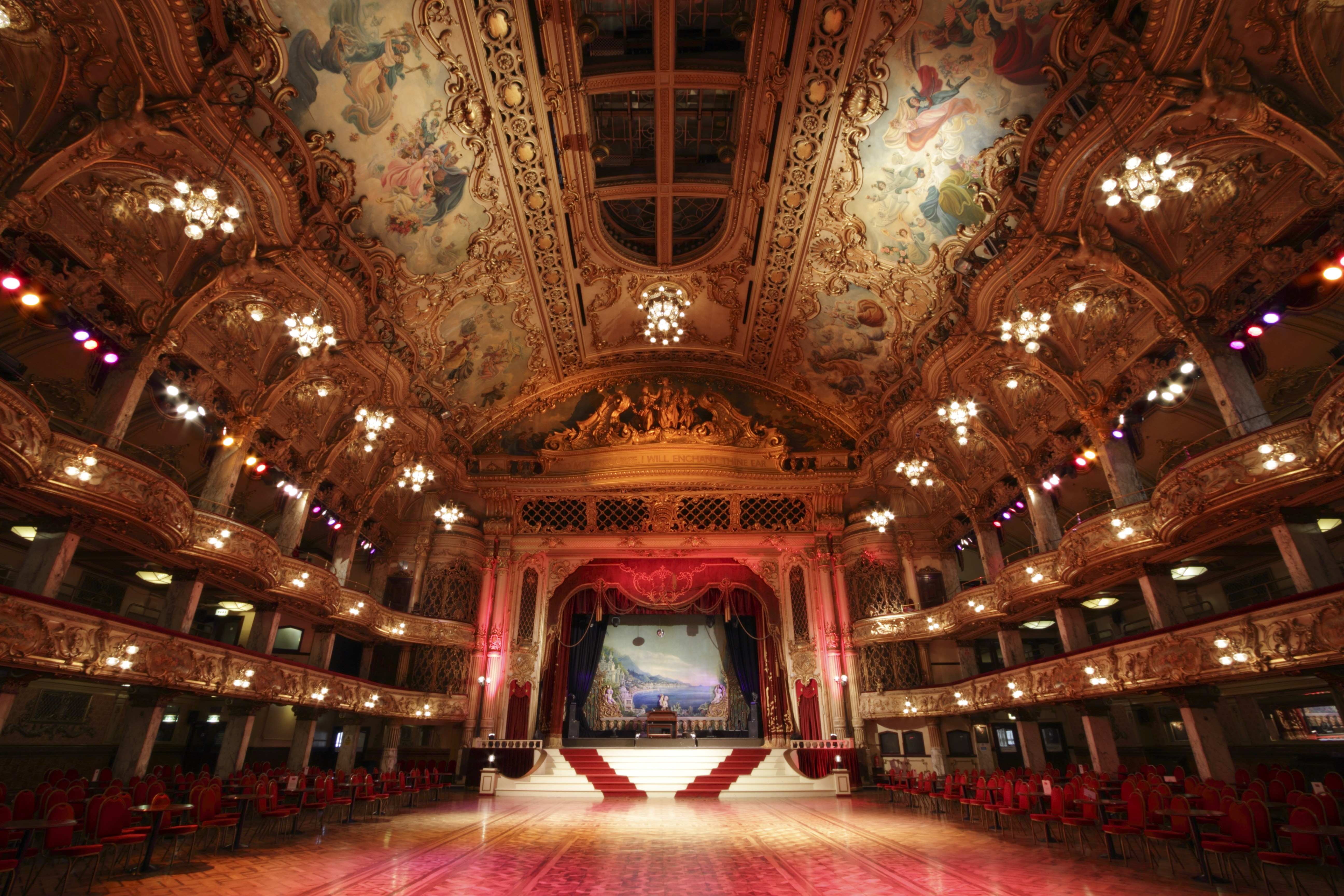
As the world of poster design continues to evolve, designers are pushing the boundaries by experimenting with innovative materials and print techniques. From unique finishes to cutting-edge treatments, these advancements offer endless opportunities to create visually stunning and interactive posters that capture audiences’ attention.
New Developments in Print Techniques
The introduction of new print techniques has opened up a wide range of possibilities for poster designers. Digital printing, for instance, has become increasingly popular due to its high-quality output and efficient production process. This technique allows for quick turnaround times and the ability to produce large quantities with minimal waste.
Comparison of Print Techniques
Technique Benefits Drawbacks Examples of Use
| Screen Printing | High-quality image reproduction, durable finish | Time-consuming, high upfront costs | Posters for festivals and concerts |
|---|---|---|---|
| Letterpress | Tactile, textured finish, unique aesthetic | Painstaking process, high costs | High-end product marketing campaigns |
| Digital Printing | Quick turnaround times, high-quality output, cost-effective | Limited to paper-only substrates | Audience engagement programs and campaigns |
Unique Materials in Poster Design
One of the most striking aspects of innovative poster design is the use of unconventional materials. From recycled cardboard to transparent plastic, designers are constantly exploring new textures and finishes that add depth and visual interest to their creations.Some notable examples of posters that have made use of innovative materials and print techniques include the “Design for Good” poster by Josh Davis, which features a bold, hand-painted design on a vinyl banner, and the “Future of the City” poster by Paula Scher, which showcases a stunning combination of screen printing and digital printing on a translucent plastic sheet.In recent years, advancements in print technology have enabled the creation of intricate, layered designs that defy the limitations of traditional printing methods.
By combining various techniques, designers can achieve truly show-stopping results that leave a lasting impression on the audience.For instance, the “Sustainable City” poster by Studio Dumbar features a striking combination of letterpress and spot varnishing to create a vibrant, textured design on a sturdy cardstock. The result is a visually captivating poster that effectively communicates the message of a sustainable city in a striking and memorable way.
Interactive and Immersive Experiences
The integration of interactive and immersive elements has revolutionized the world of poster design. Designers are now creating posters that engage the audience on multiple levels, incorporating elements like augmented reality, motion graphics, and even scent-emitting materials.One notable example is the “Interactive Identity” poster by the design studio, Lateral Office, which features a striking combination of digital printing and scent-emitting technology to create a truly immersive experience.
A striking poster can be a game-changer for your next event, and mastering design styles like Minimalism and Abstract can make all the difference. However, have you ever stopped to think about how the smell of freshly cooked bacon could be transformed into a creative opportunity, just like our best friend in the kitchen says , but to create that perfect design, one must prioritize simplicity, balance, and visual flow, much like a perfectly rendered poster.
When users approach the poster, a subtle fragrance is released, while the design itself comes to life through a series of animations and interactive elements.These innovative designs not only capture audiences’ attention but also create memorable experiences that leave a lasting impression. By pushing the boundaries of what’s possible with materials and print techniques, designers can create truly show-stopping posters that push the limits of creativity and innovation.
Ending Remarks
So, what are you waiting for? Dive into the world of poster design and discover the power of visual storytelling. By embracing the best design styles for posters, you’ll be able to craft designs that are not only aesthetically pleasing but also effective in communicating your message. Whether you’re looking to promote your brand, products, or services, or simply want to learn more about the art of poster design, this guide has got you covered.
Remember, the key to creating memorable posters is to strike a balance between creativity and strategy. By following the tips and best practices Artikeld in this guide, you’ll be well on your way to creating posters that captivate, engage, and inspire your audience.
User Queries
Q: What is the importance of typography in poster design?
A: Typography plays a crucial role in poster design as it helps convey the message and grabs attention. A well-designed typography can make a poster stand out from the crowd and communicate the intended message effectively.
Q: How can I choose the right font for my poster design?
A: To choose the right font, consider the message you’re trying to convey, the target audience, and the overall tone you want to create. You can also experiment with different font combinations and styles to find the perfect fit for your design.
Q: What is the role of color in visual storytelling?
A: Color plays a significant role in visual storytelling as it can evoke emotions, convey meaning, and draw attention. Use colors that are consistent with your brand identity and message to create a cohesive and impactful visual narrative.
Q: How can I create a memorable poster that evokes emotions?
A: To create a memorable poster that evokes emotions, focus on storytelling, personalization, and nostalgia. Use imagery and composition to create a visual narrative that resonates with your target audience and leaves a lasting impression.


