


Best Oils for Blackstone kickstarts your culinary journey to master high-temperature cooking with ease. Whether you’re a seasoned chef or a home cook, selecting the right oil is crucial to prevent smoke, splatter, and ensure a perfectly cooked meal every time.
With numerous options available, choosing the best oil for your Blackstone griddle can be overwhelming. In this comprehensive guide, we’ll delve into the properties of ideal oils, explore the benefits of avocado oil, and provide you with expert tips on selecting the perfect oil for your cooking needs.
Cooking with Avocado Oil on Blackstone
Cooking on a Blackstone griddle offers endless possibilities, and the right cooking oil can elevate your dishes to new heights. When it comes to high-heat cooking, avocado oil stands out as a top contender due to its exceptional smoke point and mild flavor.As we delve into the world of Blackstone cooking, let’s examine the advantages of using avocado oil and how it compares to other popular cooking oils.
Adaptable Flavors with Avocado Oil
Avocado oil is renowned for its mild, buttery flavor, making it an excellent choice for a variety of dishes, from savory meats to delicate vegetables. Its versatility allows it to complement and enhance the natural flavors of your ingredients, creating a truly authentic taste experience.When cooking on a Blackstone griddle, avocado oil’s mild flavor won’t overpower the dish, giving you the freedom to experiment with different seasonings and marinades.
Its subtle taste also means you can use it as a finishing oil, adding a burst of flavor just before serving.
To unlock the full flavor potential of your Blackstone grill, you’ll want to focus on using the right oils for grilling and cooking. For a perfectly cooked meal, you can learn how to reheat shrimp like a pro , but when it comes to the actual grill, consider pairing high-quality oils like avocado oil or grapeseed oil with the right grill temperature to achieve that perfect sear.
Smoke Point: The Higher, the Better
A high smoke point is crucial when cooking at high temperatures. Avocado oil boasts an impressive smoke point of around 520°F (271°C), making it ideal for searing, grilling, and sautéing. This means you can cook with confidence, knowing your oil won’t break down or smoke excessively, even at extreme temperatures.To put avocado oil’s high smoke point into perspective, consider the following:*
- At 400°F (204°C), peanut oil’s smoke point is lower, risking smoke and reduced flavor. However, grapeseed oil and avocado oil remain stable.
- Peanut oil’s smoke point is also affected by moisture and heat, which can lead to off-flavors and smoke points well below its theoretical limit.
Choosing the Right Avocado Oil
When selecting an avocado oil for high-heat cooking on your Blackstone grill, consider the following factors:*
- Look for high-quality, cold-pressed oils with minimal processing to ensure optimal flavor and nutritional content.
- Choose oils from reputable manufacturers who adhere to strict quality control measures.
- Consider the oil’s acidity level, as lower acidity levels typically indicate a higher-quality oil.
By selecting the right avocado oil for your high-heat cooking needs, you’ll unlock a world of flavors and possibilities on your Blackstone griddle.
Choosing the Right Oil for Your Blackstone Grill
When it comes to cooking on a Blackstone grill, selecting the right oil is crucial to achieve the desired flavor and texture of your dishes. Blackstone griddles are known for their even heat distribution and non-stick surface, making them ideal for cooking a variety of foods. However, the oil used can either enhance or detract from the flavor of your cooked food.
In this guide, we will explore the importance of selecting a neutral-tasting oil and how it can affect the taste of your cooked food.
Distinguishing Neutral-Tasting Oils
Neutral-tasting oils are a popular choice for cooking on Blackstone griddles because they do not impart a strong flavor to the food. These oils have a delicate flavor profile that complements the taste of other ingredients without overpowering them. Some popular neutral-tasting oils include peanut oil and grapeseed oil.
- Peanut oil: Peanut oil is a popular choice for cooking on Blackstone griddles due to its high smoke point and mild nutty flavor. It is an excellent option for high-heat cooking and has a relatively neutral taste that does not overpower other ingredients.
- Grapeseed oil: Grapeseed oil is another popular neutral-tasting oil that is commonly used for cooking on Blackstone griddles. It has a mild, slightly sweet flavor that complements the taste of other ingredients without overpowering them.
Comparing the Flavor Profiles of Neutral-Tasting Oils
While both peanut oil and grapeseed oil are popular neutral-tasting oils, they have distinct flavor profiles that may affect the taste of your cooked food. Peanut oil has a mild nutty flavor that is reminiscent of peanut butter, while grapeseed oil has a slightly sweet flavor that is similar to honey. When cooking on a Blackstone grill, it is essential to consider the flavor profile of the oil you choose and how it will impact the taste of your dishes.
- Main Course Dishes: For main course dishes like steak and chicken, peanut oil is a popular choice due to its high smoke point and mild flavor. The peanut oil will complement the natural flavors of the meat without overpowering them.
- Side Dishes: For side dishes like vegetables and seafood, grapeseed oil is a better option due to its mild flavor and high smoke point. The grapeseed oil will enhance the natural flavors of the ingredients without overpowering them.
Storing Neutral-Tasting Oils
To maintain the flavor and aroma of neutral-tasting oils, it is essential to store them properly. Neutral-tasting oils should be stored in a cool, dark place away from direct sunlight and heat sources. This will prevent the oil from degradation and maintain its flavor and aroma.
- Cool and Dark Place: Store neutral-tasting oils in a cool, dark place like a pantry or cupboard. Avoid storing them near windows or in areas where the oil may be exposed to direct sunlight.
- Airtight Container: Store neutral-tasting oils in an airtight container to prevent oxidation and degradation. This will maintain the flavor and aroma of the oil and ensure it lasts longer.
Blackstone Grill Oil Recommendations
When it comes to cooking on a Blackstone grill, the right oil can make all the difference in achieving a perfect sear, preventing smoke and splatter, and ensuring a clean grill surface. While there are many cooking oils available, not all are created equal, and some perform better than others on a Blackstone grill.
Characteristics of Popular Cooking Oils
When selecting a cooking oil for your Blackstone grill, it’s essential to consider several factors, including smoke point, flavor profile, and price point.
-
Smoke Point: The smoke point of a cooking oil is the maximum temperature at which it can be heated without breaking down and smoking. For Blackstone grills, it’s essential to choose an oil with a high smoke point, as high heat can cause lower-quality oils to break down and smoke.
Example: Avocado oil has a high smoke point of around 520°F (271°C), making it an excellent choice for Blackstone grills.
-
Flavor Profile: Different cooking oils impart unique flavors and aromas to food. Some oils have a strong flavor profile, while others are mild and neutral.
Example: Olive oil has a distinct, fruity flavor that pairs well with grilled vegetables and meats.
-
Price Point: Cooking oils can vary significantly in price, from under $5 to over $20 per bottle.
Example: Coconut oil is often priced lower than avocado oil due to its lower demand and lower production costs.
Blackstone Grill Oil Performance Comparison
When it comes to performance on a Blackstone grill, some cooking oils stand out from the rest. Here are a few popular options to consider:
| Oil | Smoke Point | Performance on Blackstone Grill |
|---|---|---|
| Avocado Oil | 520°F (271°C) | Excellent performance: prevents smoke and splatter, ideal for high-heat grilling |
| Cooler Rice Bran Oil | 490°F (254°C) | Good performance: prevents smoke, but may splatter at high heat |
| Peanut Oil | 450°F (232°C) | Poor performance: prone to smoking and splattering at high heat |
Choosing the Right Oil for Your Blackstone Grill
Ultimately, the right cooking oil for your Blackstone grill depends on your personal preferences and cooking style. Consider the following factors when selecting an oil:
-
High-heat cooking: If you plan to grill at high temperatures, choose an oil with a high smoke point, such as avocado oil.
-
Flavor profile: If you want to add unique flavors to your dishes, consider oils with distinct flavor profiles, such as olive oil or truffle oil.
-
Price point: If budget is a concern, choose an oil that is priced lower, such as coconut oil or peanut oil.
A well-seasoned Blackstone griddle relies on the right oil to prevent sticking and add flavor. When it comes to the perfect hue, choosing a color for headshots is crucial – opt for soft pastel shades like light blue, a popular choice for best color for headshots best color for headshots , to convey a sense of approachability and freshness, much like the aroma of a skillet seared with neutral oils like canola or avocado oil on your Blackstone griddle.
Cooking Oil Safety on High-Temperature Blackstone Grills: Essential Guidelines
Cooking with high-temperature oils on a Blackstone grill can be a game-changer for achieving that perfect sear, but it also comes with unique safety risks that need to be addressed. Ignoring these risks can lead to accidents, and even worse, a grease fire that can quickly get out of control.When cooking with high-temperature oils, it’s crucial to understand the risks involved, how to prevent accidents, and what to do in case of an emergency.
By following these guidelines, you’ll be able to enjoy your favorite dishes without compromising on safety.
Risks of Overheating and Ignition
High-temperature cooking oils can reach temperatures as high as 500°F (260°C), which can cause them to break down and potentially ignite. This risk is especially high when using Blackstone grills, as the intense heat can cause the oil to vaporize and create a flammable atmosphere.
- Overheating oil can cause it to break down and form harmful compounds that can be toxic when ingested.
- If the oil is not monitored properly, it can easily ignite, leading to a grease fire that can quickly spread.
Proper Disposal of Used Cooking Oil
Used cooking oil from your Blackstone grill can be just as hazardous as the oil that’s been heated. Improper disposal of used oil can lead to accidents and environmental damage. Here are some guidelines for safe disposal:
- Allow the oil to cool completely before disposing of it.
- Do not pour hot oil down the drain or into the garbage, as it can cause pipes to clog and create environmental hazards.
- Consider recycling used cooking oil by taking it to a local recycling center or participating in a community collection program.
Maintaining a Safe Cooking Environment
To ensure a safe cooking environment when using high-temperature oils on your Blackstone grill, follow these tips:
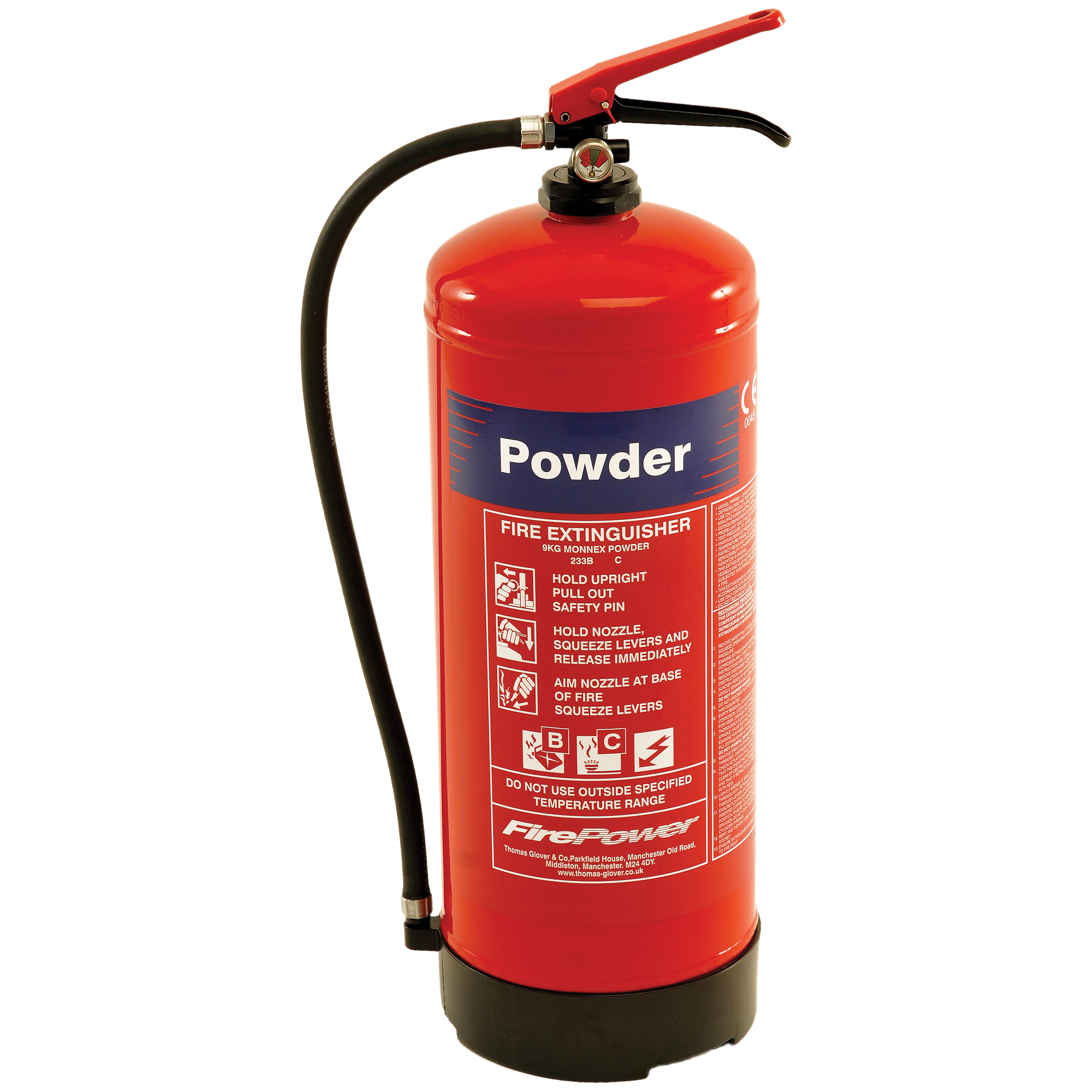
- Always have a fire extinguisher nearby and know how to use it properly.
- Monitor the temperature of your oil closely and never leave it unattended.
- Keep children and pets away from the cooking area, as they can accidentally knock over oil or igniter.
By following these guidelines, you can minimize the risks associated with cooking with high-temperature oils on your Blackstone grill and enjoy a safe and delicious cooking experience.
Designing a Blackstone Grill Oil Station: A Practical Guide: Best Oils For Blackstone
Designing a dedicated oil station for your Blackstone grill can make a significant difference in your grilling experience. Not only does it reduce clutter, but it also improves oil accessibility, saving you time and effort when cooking. A well-designed oil station can also enhance the overall appearance of your outdoor cooking area, making it a functional and stylish addition to your backyard.
The Benefits of a Dedicated Oil Station, Best oils for blackstone
While a dedicated oil station may seem like an added expense, it offers numerous benefits that can improve your grilling experience and extend the life of your Blackstone grill. Some of the key advantages include:
- Convenience: A dedicated oil station keeps all your cooking oils in one place, making it easy to access and switch between different types of oil.
- Organization: A designated oil station helps maintain a clutter-free cooking area, reducing the risk of accidents and making it easier to clean.
- Easy Maintenance: A dedicated oil station allows you to monitor oil levels and perform routine maintenance tasks, such as changing oils, with ease.
Designing and Building a Simple Oil Station
Designing and building a simple oil station using common materials can be a fun and rewarding DIY project. Here’s a basic design and materials list to get you started:
- Wooden crate or shelf: This will serve as the base of your oil station. Look for a crate or shelf that’s sturdy and has enough space to hold multiple oil cans.
- Metal oil can holder: You’ll need a holder to secure the oil cans in place. Look for a metal bracket or a wooden dowel to attach to the crate.
- Wood screws or nails: Use these to assemble the crate and attach the oil can holder.
- Wood glue: Apply wood glue to reinforce the joints and ensure a sturdy build.
Maintaining Your Oil Station
To keep your oil station in top condition, follow these simple tips:
- Cleanliness: Regularly wipe down the oil station with a damp cloth to prevent oil spills and stains.
- Organization: Keep your oil cans and other accessories organized and labeled to ensure easy identification and access.
- Inspection: Regularly inspect your oil station for signs of wear and tear, and make repairs as needed to maintain its durability.
Additional Tips and Considerations
When designing and building your oil station, consider the following tips and considerations:
- Storage: Make sure the oil station has enough storage space for your oil cans and other accessories.
- Material selection: Choose materials that are durable, weather-resistant, and easy to clean.
- Accessibility: Design the oil station to be easily accessible, with a clear path for oil cans and a secure attachment point.
Cooking Oil Storage and Disposal on Blackstone Grills
Storing and disposing of cooking oil is a crucial aspect of maintaining a clean and efficient Blackstone grill. Improper storage and disposal can lead to oil spills, contamination, and even fires. In this guide, we’ll explore the best practices for storing and disposing of used cooking oil from your Blackstone grill.
Proper Storage of Used Cooking Oil
Storing used cooking oil in airtight containers is essential to prevent spills and contamination. When selecting a storage container, look for one that is specifically designed for storing cooking oil. These containers typically have tight-fitting lids and are made from durable, non-reactive materials like stainless steel or plastic. Some popular options include:
- Certified Food Grade Stainless Steel Containers
- High-Density Polyethylene (HDPE) Storage Tanks
- Stainless Steel Drums
When storing used cooking oil, make sure to label the container with the contents and the date it was used. This will help you keep track of how long the oil has been stored and ensure that it is disposed of properly.
Designated Oil Storage Area
Designating a specific area for storing cooking oil can help prevent accidents and keep your workspace organized. When choosing a storage location, consider the following factors:
- Accessibility: Choose a location that is easily accessible for cleaning and maintenance.
- Drainage: Select a location with good drainage to prevent oil spills.
- Ventilation: Ensure good ventilation in the area to prevent the buildup of fumes.
Some popular locations for a designated oil storage area include:
- Under the sink
- In a utility room
- Behind a cabinet
Responsible Disposal of Used Cooking Oil
Disposing of used cooking oil responsibly is crucial to preventing environmental contamination and protecting public health. When disposing of used cooking oil, consider the following options:
- Participating in a community oil collection program
- Recycling the oil through a local recycling facility
- Disposing of the oil through a authorized service provider
Before disposing of used cooking oil, make sure to check with your local authorities for specific guidelines and regulations. Some common practices include:
- Checking the oil’s temperature before disposal
- Allowing the oil to cool and solidify before disposal
- Placing the oil in a leak-proof container before disposal
Bulk Cooking Oil Storage and Disposal
Large quantities of cooking oil require special storage and disposal considerations. When dealing with bulk cooking oil, it’s essential to:
- Label the containers with the contents and the date it was used
- Avoid storing bulk cooking oil in the same area as regular cooking oil
- Consider renting a storage tank or using a bulk storage container
Bulk cooking oil should be stored in a well-ventilated area, away from heat sources and flames. When disposing of bulk cooking oil, consider the following options:
- Participating in a community bulk oil collection program
- Recycling the oil through a local recycling facility
- Disposing of the oil through a authorized service provider
Proper storage and disposal of cooking oil is essential to prevent oil spills, contamination, and environmental damage. Always follow local guidelines and regulations when disposing of used cooking oil.
Last Word
Now that you’ve mastered the art of selecting the best oil for your Blackstone, it’s time to elevate your cooking game. Remember, the right oil can make all the difference between a mediocre meal and a culinary masterpiece. Experiment with different oils, explore new recipes, and most importantly, have fun!
FAQs
What is the ideal oil temperature for cooking on a Blackstone grill?
The ideal oil temperature for cooking on a Blackstone grill is between 350°F and 400°F (175°C to 200°C), depending on the type of oil you’re using. Always consult the manufacturer’s instructions for specific temperature guidelines.
Can I use regular cooking oil on my Blackstone griddle?
Yes, you can use regular cooking oil on your Blackstone griddle, but it’s essential to choose an oil with a high smoke point to prevent smoke and splatter. Avocado oil, peanut oil, and grapeseed oil are excellent options.
How do I store used cooking oil from my Blackstone grill?
Store used cooking oil in an airtight container, such as a glass jar or a plastic container with a tight-fitting lid. Label the container with the date and contents, and dispose of it responsibly through a recycling program or a designated oil collection facility.


